Original: $9.42
-65%$9.42
$3.30The Story
Ebook available via this listing, on Apple Books and Kindle Store.
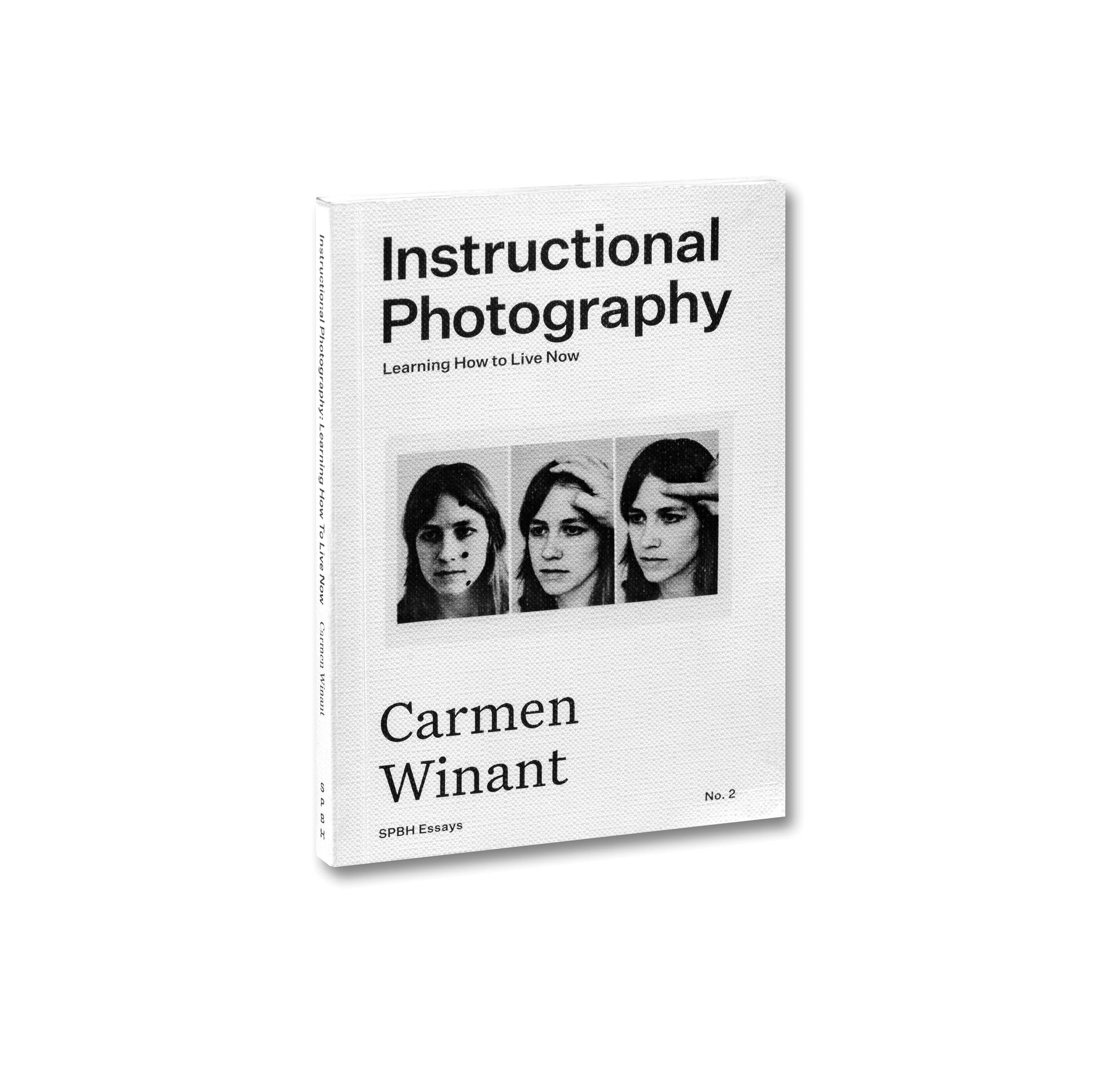
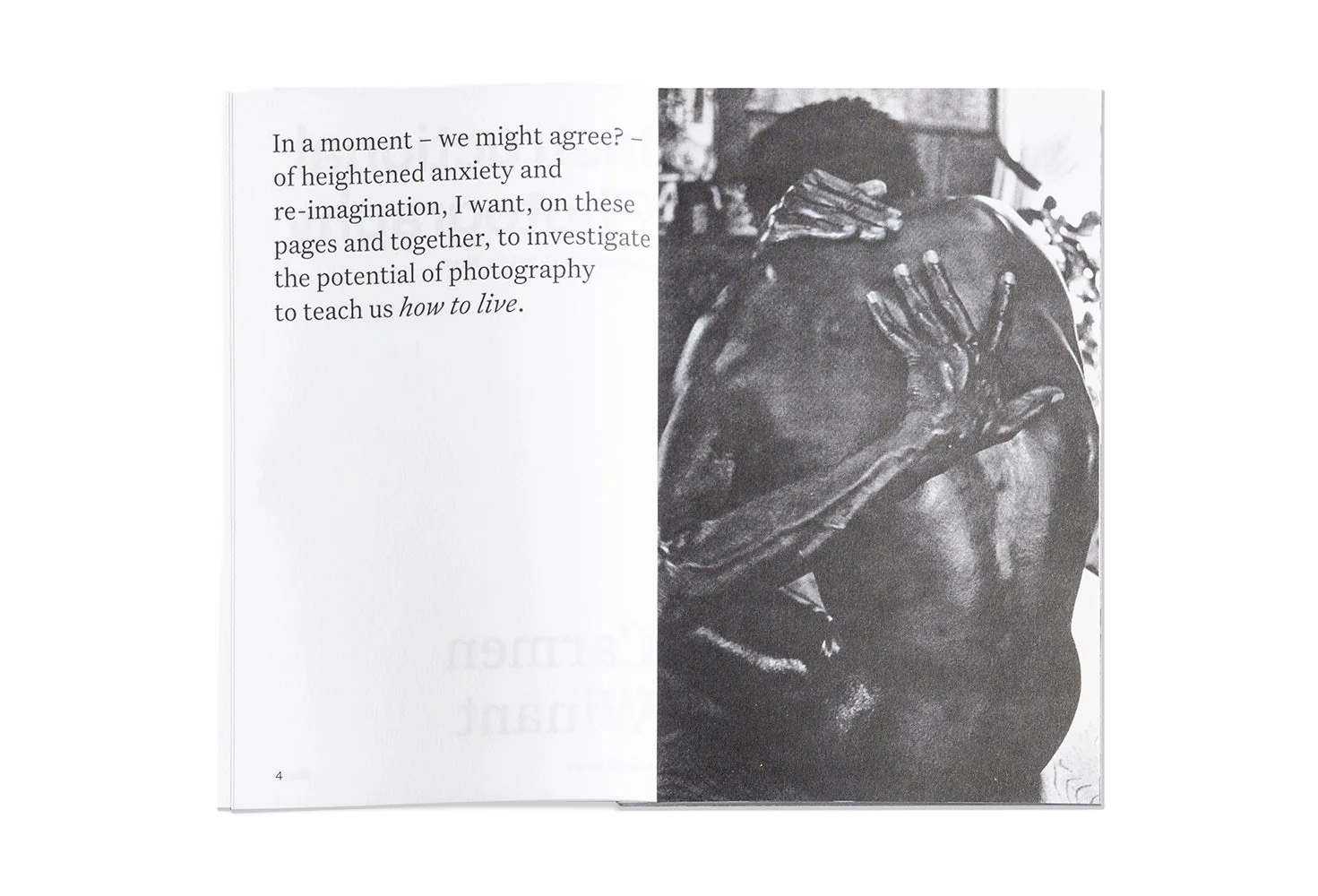
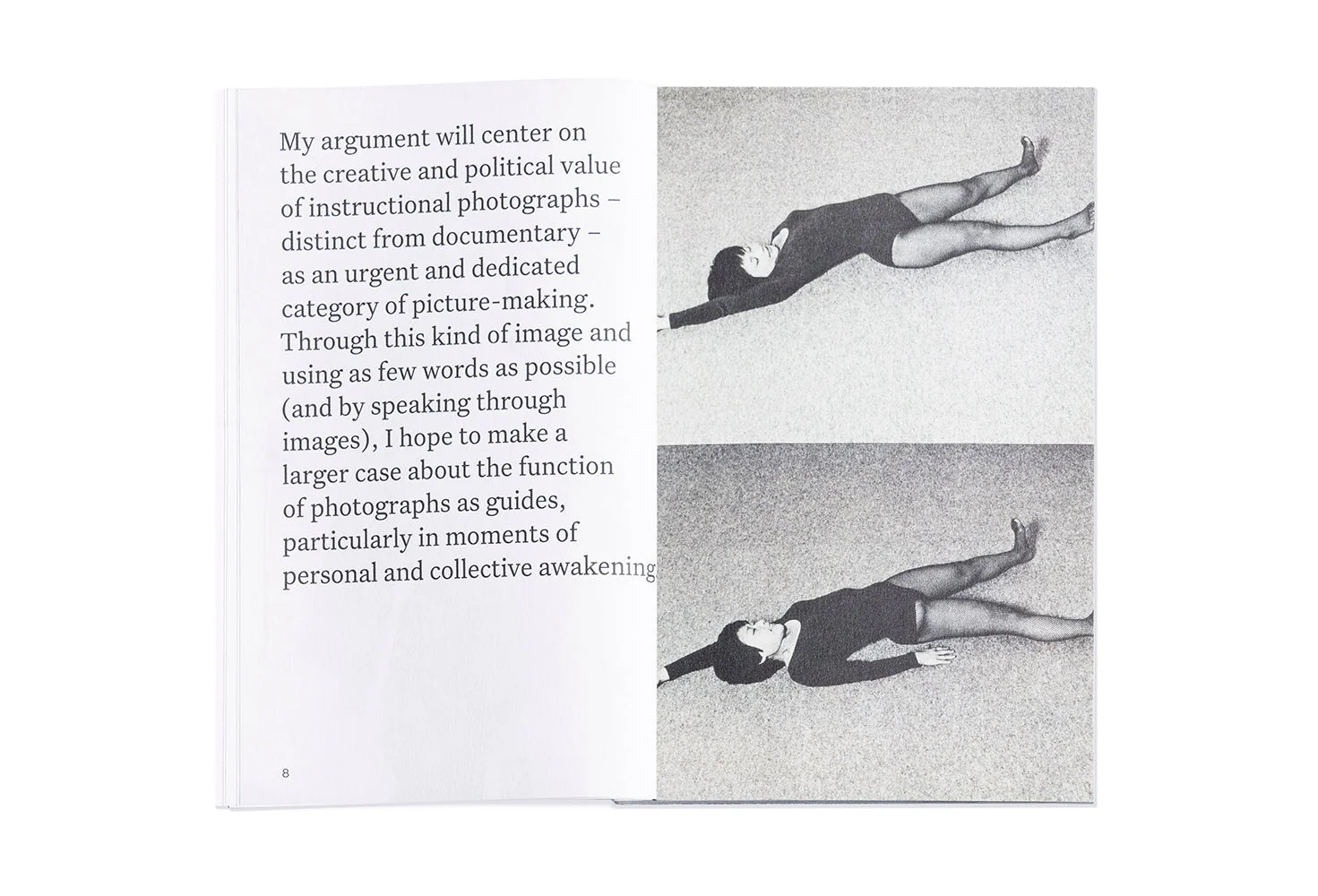
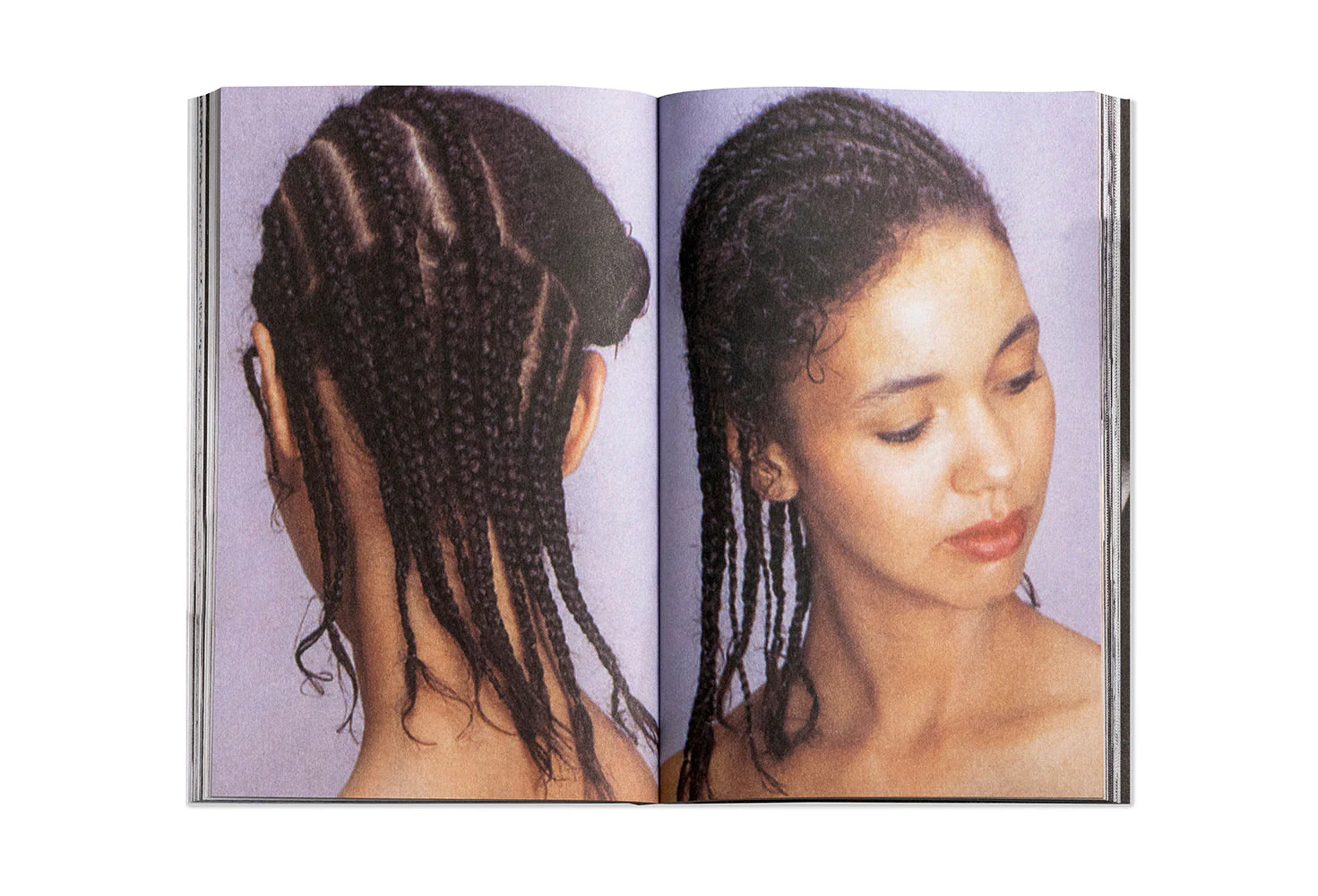
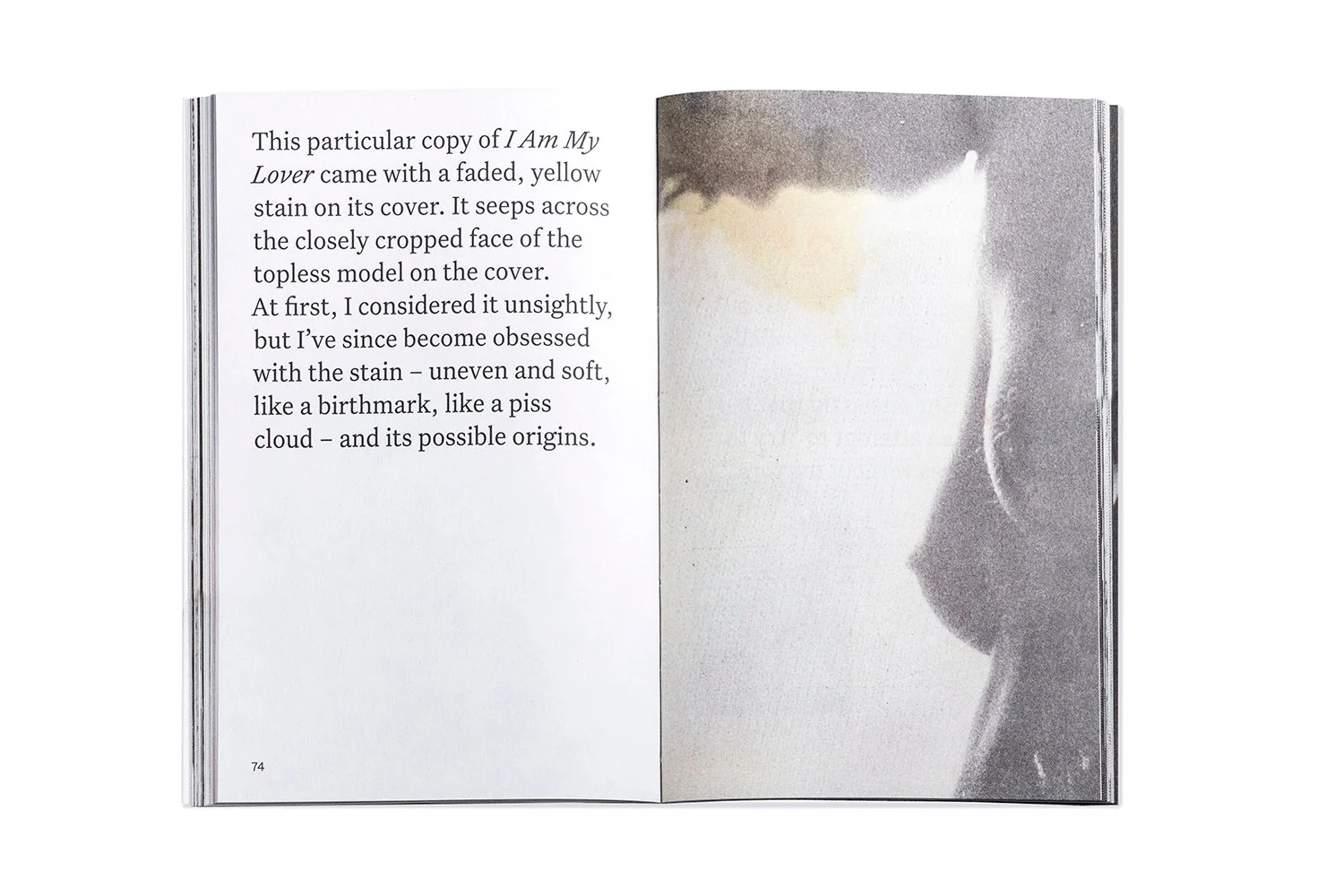
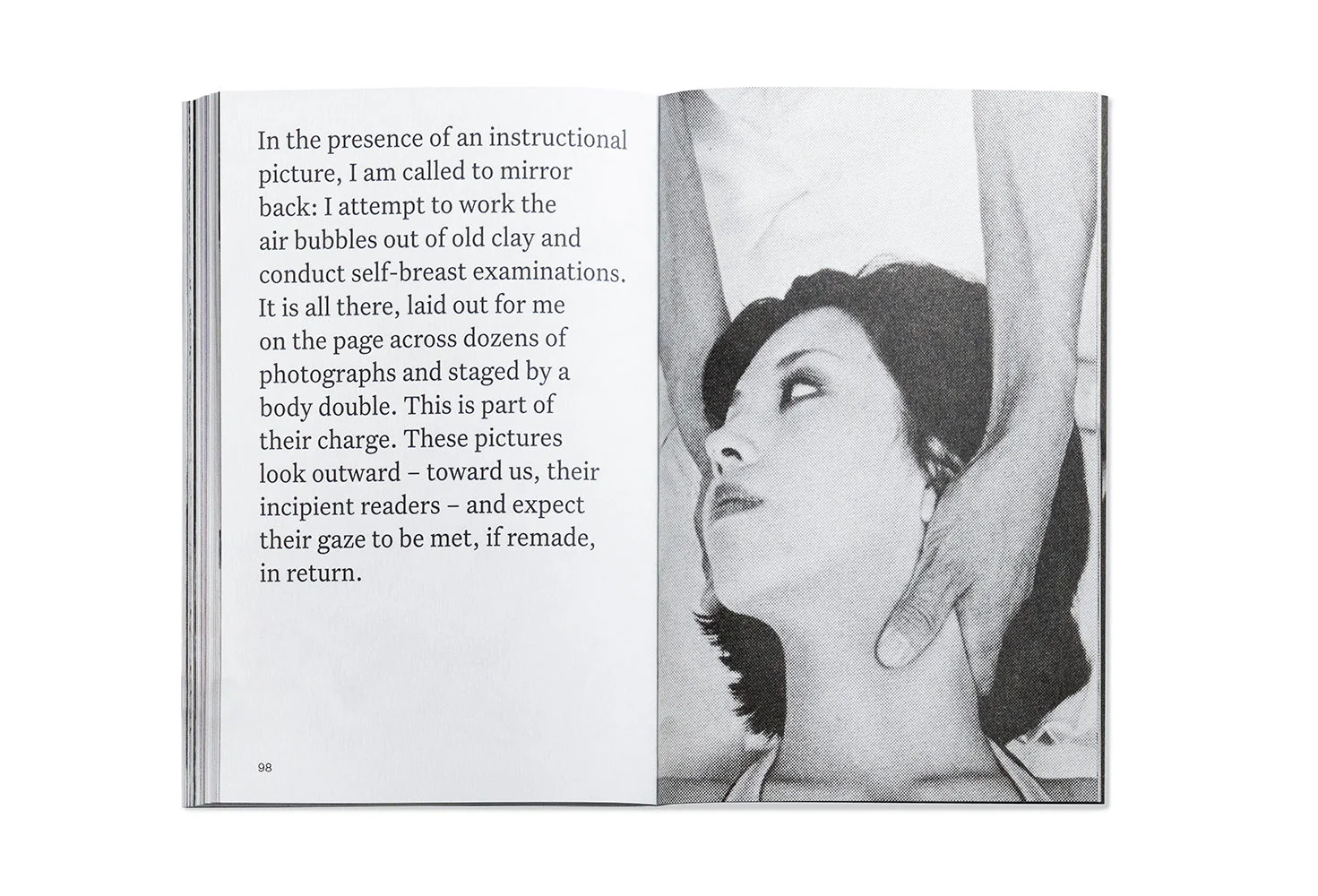
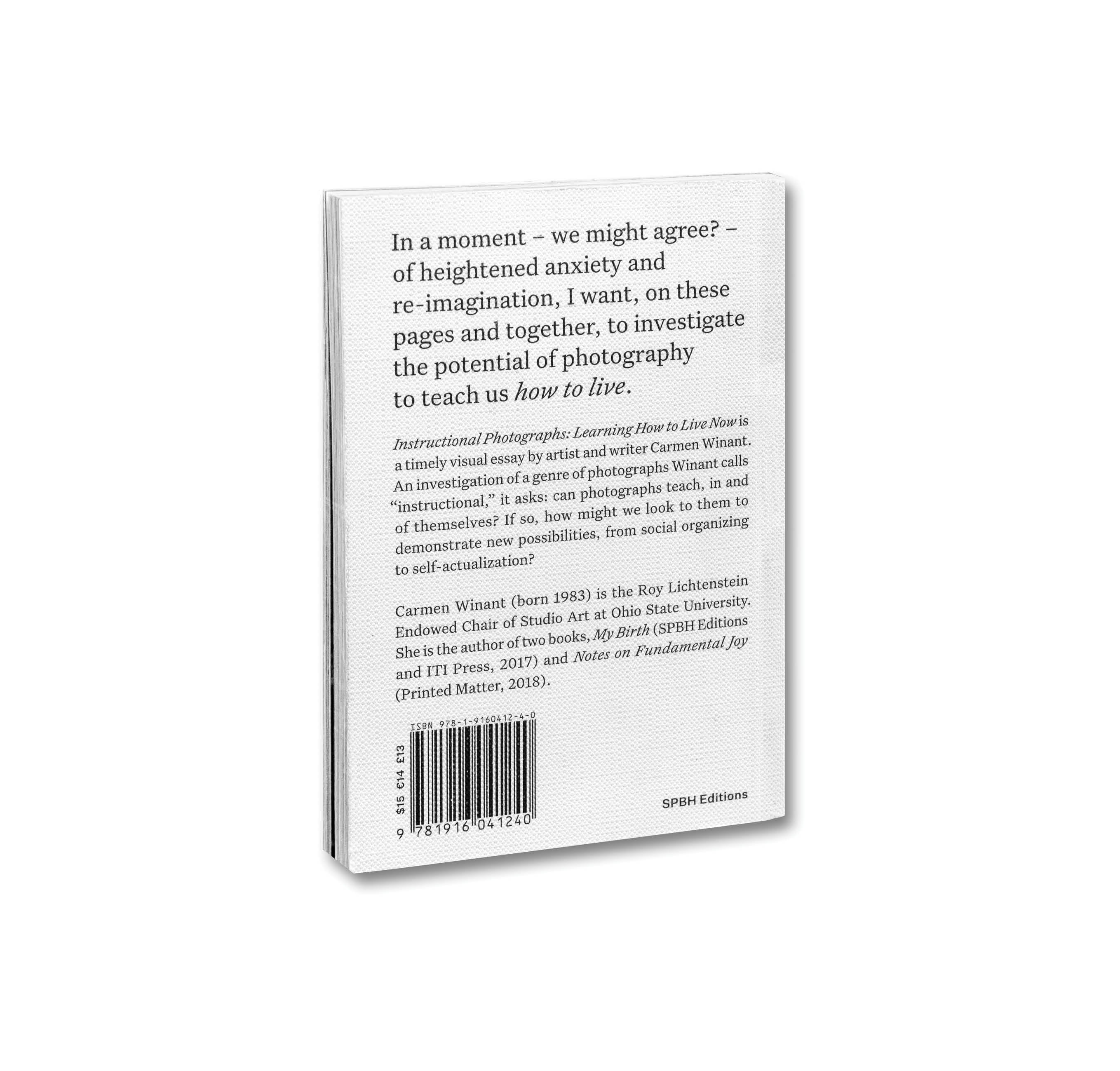
Instructional Photography: Learning How to Live Now is a timely visual essay by artist and writer Carmen Winant. An investigation of a genre of photographs Winant calls ‘instructional’, it asks: can photographs teach, in and of themselves? If so, how might we look to them to demonstrate new possibilities, from social organising to self-actualisation?
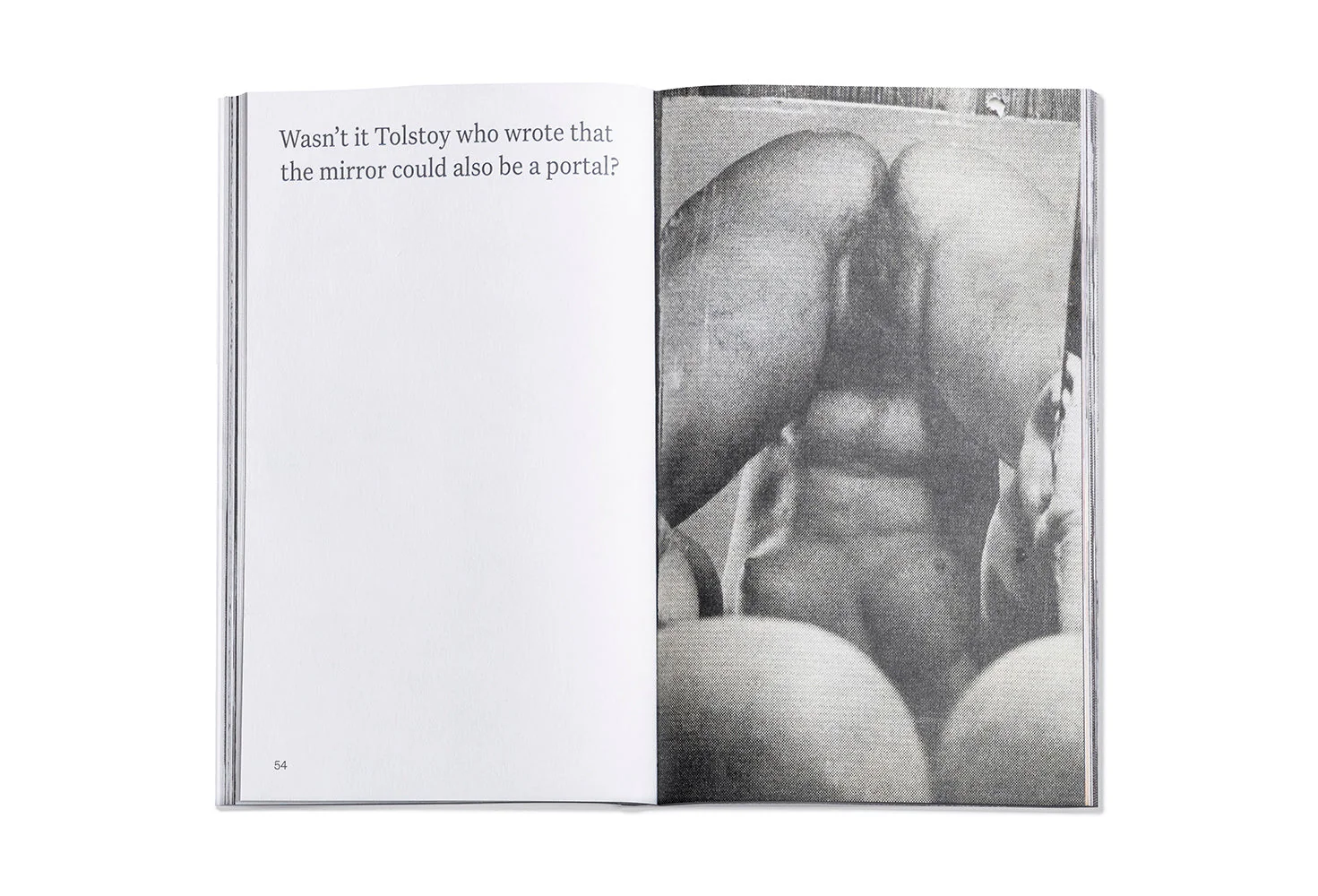
Alternating between found images and text-based observations, Winant delves into this new category of images through her own collection. Winant queries how each image behaves as a small mirror, arguing for the primacy of photographs to instruct and impart both technical and ontological knowledge.
Details & Craftsmanship
Every detail has been carefully considered to bring you the perfect product.
Details & Craftsmanship
Every detail has been carefully considered to bring you the perfect product.
Details & Craftsmanship
Every detail has been carefully considered to bring you the perfect product.
Details & Craftsmanship
Every detail has been carefully considered to bring you the perfect product.
Details & Craftsmanship
Every detail has been carefully considered to bring you the perfect product.
Details & Craftsmanship
Every detail has been carefully considered to bring you the perfect product.
Details & Craftsmanship
Every detail has been carefully considered to bring you the perfect product.
Description
Ebook available via this listing, on Apple Books and Kindle Store.
Instructional Photography: Learning How to Live Now is a timely visual essay by artist and writer Carmen Winant. An investigation of a genre of photographs Winant calls ‘instructional’, it asks: can photographs teach, in and of themselves? If so, how might we look to them to demonstrate new possibilities, from social organising to self-actualisation?
Alternating between found images and text-based observations, Winant delves into this new category of images through her own collection. Winant queries how each image behaves as a small mirror, arguing for the primacy of photographs to instruct and impart both technical and ontological knowledge.